

Is cheese pizza halal? Cheese pizza is halal only if the cheese uses microbial or plant-based rennet and the dough is free from animal-sourced conditioners like L-cysteine. Because commercial pizzas often hide animal by-products in their ingredients, plain cheese pizza frequently falls into the Doubtful category.
You are standing in the frozen food aisle looking at a four-cheese pizza, or perhaps you are about to order from a local chain. There is no pepperoni or sausage in sight. It feels like a safe choice. But for Muslim families living in non-Muslim-majority countries, the absence of meat does not automatically mean a product is permissible.
Between the enzymes used to curdle the dairy and the commercial conditioners used to soften the crust, a basic cheese pizza carries several hidden risks. Here is exactly what makes cheese pizza halal, doubtful, or non-halal.
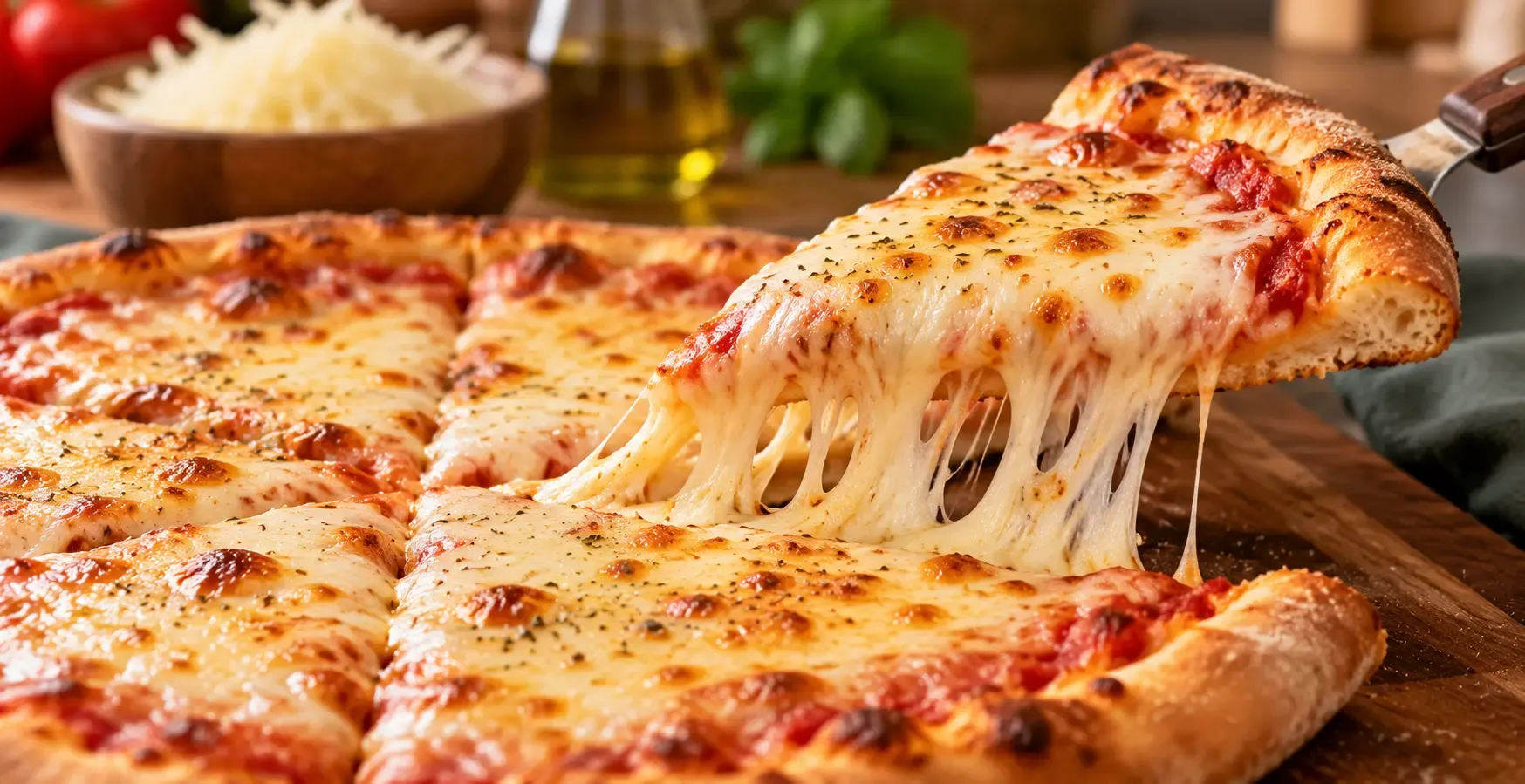
The Hidden Trap: Animal Rennet in Cheese
The biggest factor in determining if cheese pizza is halal comes down to one ingredient: rennet.
Rennet is an enzyme used to coagulate milk and turn it into cheese. Traditionally, commercial rennet is extracted from the stomach lining of calves. If the calf was not slaughtered according to Islamic principles (zabiha), the resulting enzyme is problematic.
Different Islamic scholars hold different views on animal rennet. Some ruling bodies consider cheese made with non-zabiha animal rennet as Non-Halal. Others classify it as Doubtful (mashbooh), while specific madhabs (like the Hanafi school) have historically permitted certain types of rennet regardless of the animal's slaughter method.
To avoid the doubt entirely, look for pizzas made with:
- Microbial rennet (derived from mold or fungi)
- Plant-based rennet
- Fermentation-produced chymosin (FPC)
Rather than guessing the source of the enzymes, you can scan the barcode of any frozen pizza in your local store. The Halal Scanner app instantly flags the origin of the rennet and categorizes the product as Halal, Doubtful, or Non-Halal based on verified data.
Dough Conditioners and L-Cysteine (E920)
Pizza crust should theoretically contain only flour, water, yeast, and salt. However, commercial pizza chains and frozen brands rely heavily on dough conditioners to speed up baking and improve texture.
The most common conditioner is L-cysteine, often listed on labels as E920. While L-cysteine can be synthesized synthetically in a lab, commercial food manufacturers frequently derive it from poultry feathers.
If the poultry was not slaughtered in a halal manner, the E920 is strictly haram. Because food labels rarely disclose the origin of their L-cysteine, checking the exact brand against a certified database is the only way to know for sure. Halal Scanner identifies specific E-numbers like E920 and cross-references their sourcing to give you a clear answer.
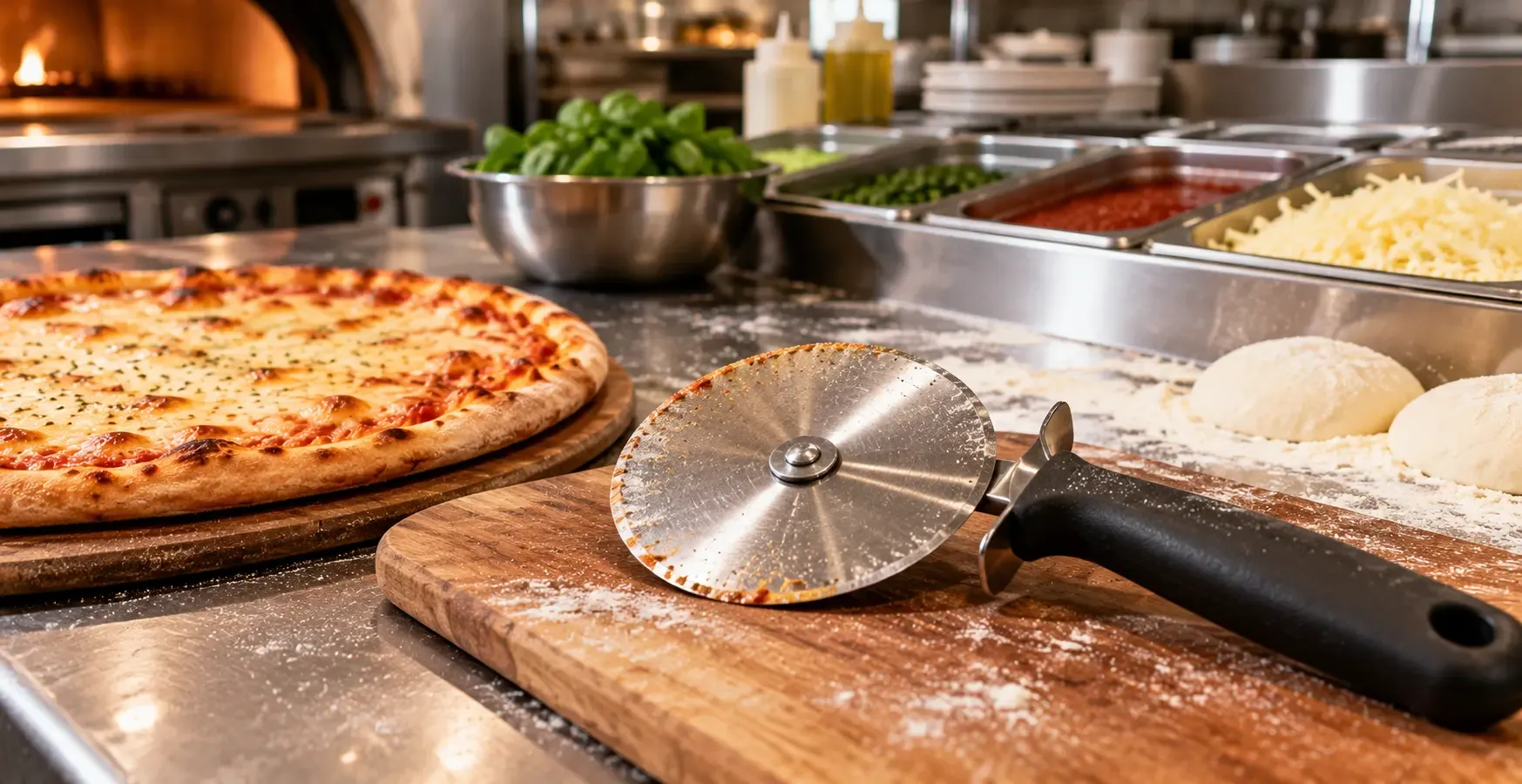
Cross-Contamination in Pizzerias
If you are ordering a fresh cheese pizza from a high-street restaurant, the ingredients are only half the equation. Cross-contamination is a daily reality in busy kitchens.
Can Muslim eat pizza from any standard restaurant? Only if the preparation environment is safe. A cheese pizza becomes Non-Halal if the staff uses the same unwashed pizza cutter they just used to slice a pork pepperoni pizza. Similarly, if workers handle haram meats and then grab a handful of cheese for your pizza without changing gloves, cross-contamination has occurred.
When ordering from a non-halal certified restaurant, you must ask the staff to use clean gloves, fresh cheese from a protected container, and a dedicated or washed cutter.
How to Check Frozen Pizza with Halal Scanner
Memorizing E-numbers and rennet sources is impractical when you are doing your weekly shopping. When buying frozen cheese pizza, you can verify the ingredients directly from the aisle.
Here is how to check any product:
- Open the App: Launch Halal Scanner on your phone.
- Scan the Barcode: Point your camera at the frozen pizza box.
- Read the Result: The app cross-references the ingredients against over 1 million verified products. In seconds, you will see if the pizza is Halal, Doubtful, or Non-Halal.
- Check the Breakdown: Tap to see exactly which ingredient triggered a Doubtful rating, such as unspecified rennet or E920.
- Save to Your List: Found a safe frozen pizza? Add it to your shared halal list so your family knows what to buy next time.
The scan takes less time than reading the label. Halal Scanner is free to download with premium via subscription. Tap the App Store or Google Play badge to get started.
Powered by Verified Halal Data
Halal Scanner does not guess. The platform processes over 100,000 daily scans across 50+ countries. Every product is checked against a database that draws on verified halal sources and recognized certifying bodies like IFANCA, HFA, and JAKIM. With more than 500,000 users globally, the app removes the uncertainty from your grocery shopping.