
Yes, bread dough contains alcohol, but you do not need to empty your pantry. If you are wondering if your daily toast is halal, the short answer is that the trace alcohol produced during natural yeast fermentation is widely considered permissible by Islamic scholars.
When yeast ferments in dough, it produces two things: carbon dioxide (which makes the bread rise) and ethanol (alcohol). However, the heat of the oven evaporates almost all of this alcohol during baking. The microscopic amount left behind cannot intoxicate you, regardless of how much bread you eat. Because it occurs naturally and does not cause intoxication, major halal certification bodies generally classify standard yeast-leavened bread as halal.
But standing in the grocery aisle, the natural fermentation process is rarely the real problem. Commercial bread often hides other ingredients that require close attention.
The Science of Bread Alcohol Content
To understand the bread's alcohol content, you have to look at the yeast. Yeast is a living microorganism. When it consumes the natural sugars in flour, it releases gas bubbles. This biological reaction also produces ethanol.
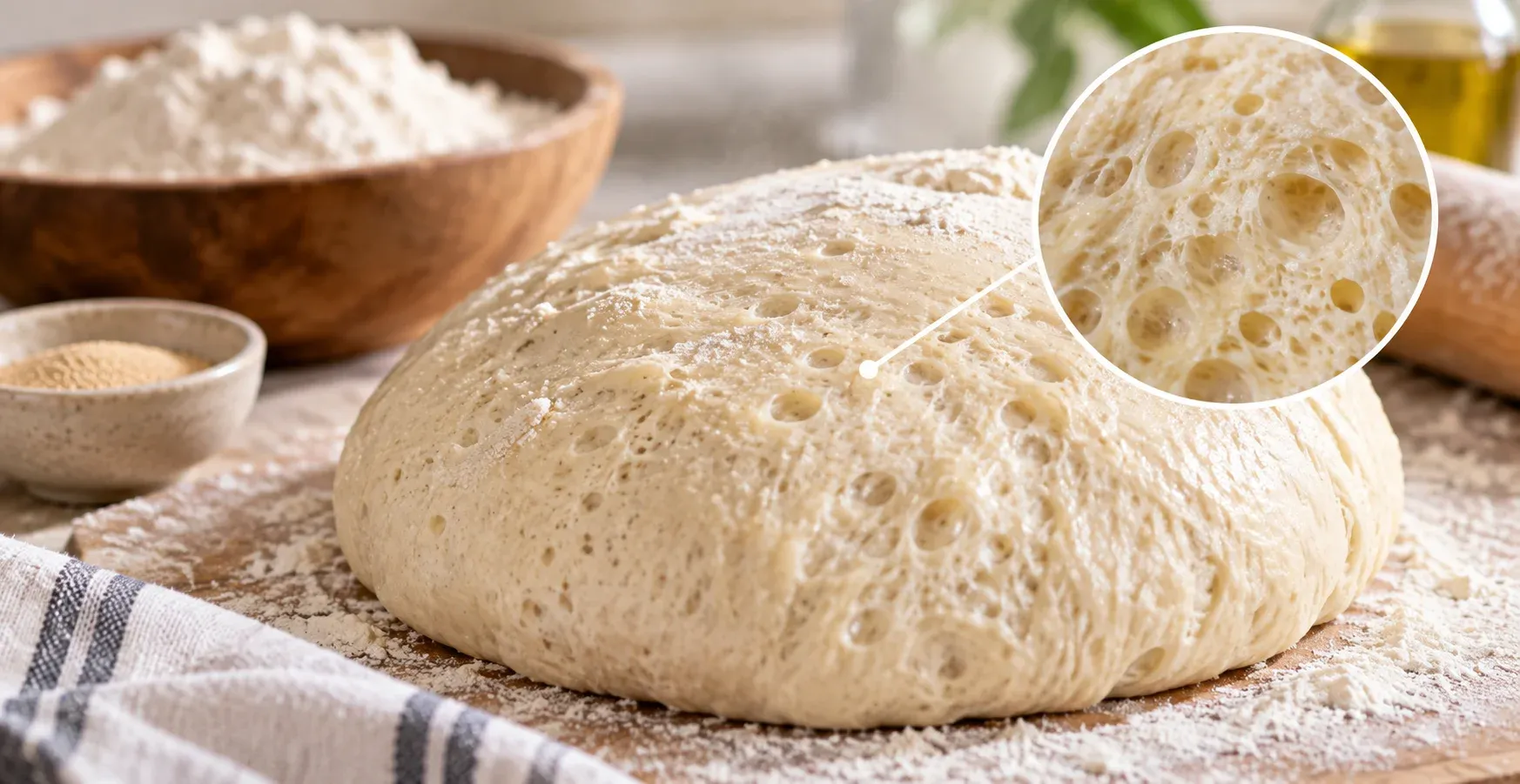
Before baking, a standard loaf of bread dough might contain up to 2% alcohol. Once that dough hits an oven set to 200°C (400°F), the alcohol burns off quickly. Scientific studies show that baked bread retains less than 0.4% alcohol. To put that in perspective, ripe bananas and natural fruit juices often contain similar or slightly higher trace amounts of natural alcohol.
Since this trace amount is an unavoidable byproduct of a natural process, Islamic jurisprudence generally treats it as excusable (mafu).
If memorizing food science feels overwhelming while grocery shopping, you can skip the guesswork. You can scan the barcode and get the result for a specific product directly in the app. Halal Scanner is free to download with premium via subscription on iOS and Android.
Does Kimchi Have Alcohol?
The fermentation question goes beyond baking. Many shoppers search for the alcohol content of kimchi, comparing it to wine or beer.
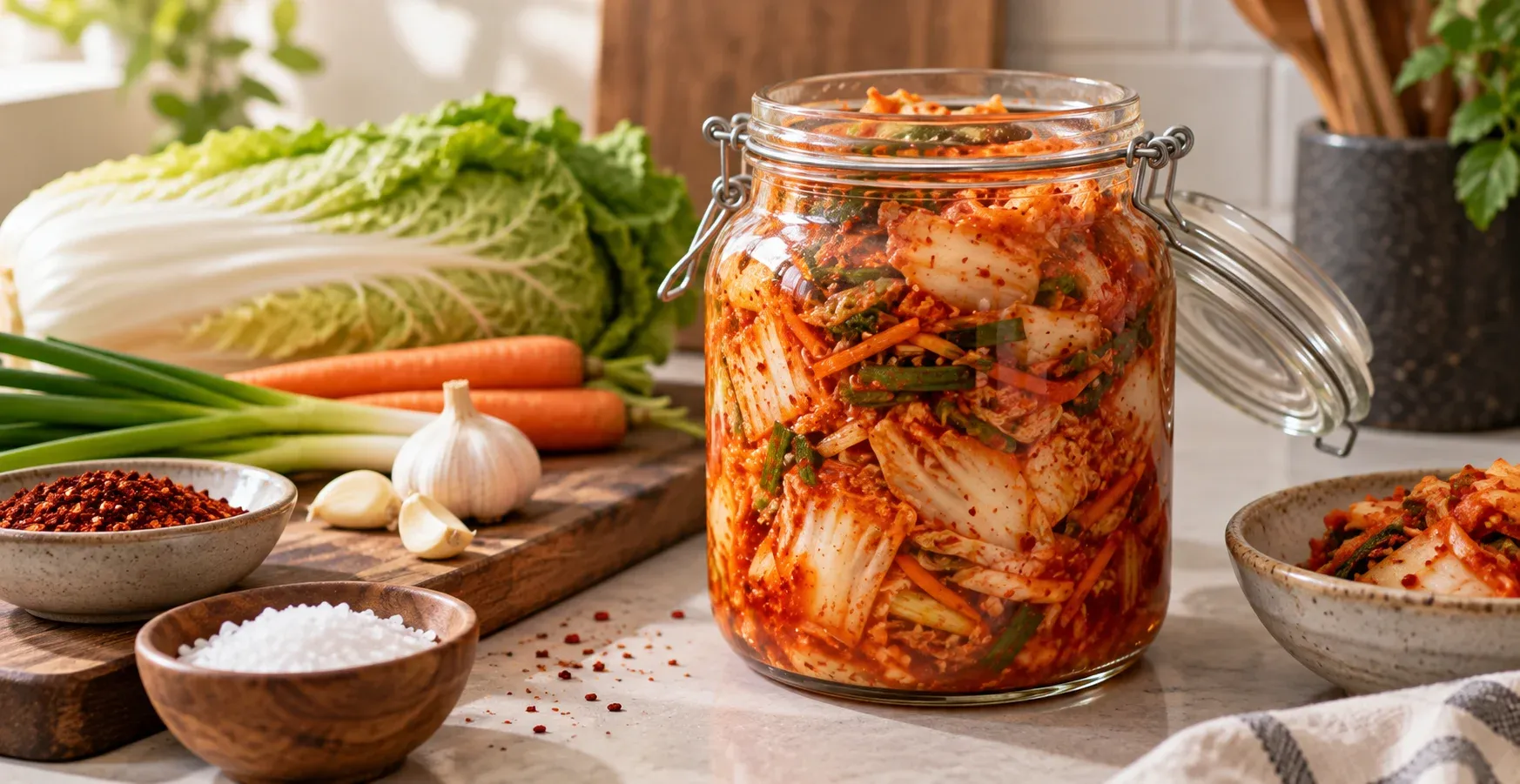
Kimchi undergoes lactic acid fermentation, not yeast fermentation. Lactic acid bacteria preserve the cabbage and give it that signature sour taste. While the primary byproduct is lactic acid, trace amounts of alcohol can develop during the process—usually well under 0.5%.
Similar to bread, this naturally occurring, non-intoxicating trace amount is generally viewed as permissible. However, you must check the label for other added ingredients. Some commercial kimchi brands add cooking wine, mirin, or animal-based flavorings (like shrimp paste or fish sauce from doubtful sources) to speed up production or enhance flavor. Those added ingredients can instantly change the status from Halal to Non-Halal.
The Real Hidden Risks in Commercial Bread
While natural yeast fermentation is rarely an issue, commercial bread presents a completely different set of challenges for Muslim shoppers. Factory-produced loaves sit on shelves for weeks. To keep them soft and mold-free, manufacturers use additives that often fall into the Doubtful (mashbooh) or Non-Halal categories.
- Added Ethanol Sprays: Some brands spray the surface of packaged bread with liquid ethanol before sealing the bag to extend shelf life and prevent mold. Unlike yeast fermentation, this is deliberate alcohol addition. Many scholars and halal certification boards consider surface-sprayed bread impermissible.
- L-cysteine (E920): This dough conditioner makes commercial bread softer and speeds up industrial mixing. L-cysteine is frequently synthesized from human hair or poultry feathers. Unless certified halal or explicitly labeled as plant-derived, E920 is a highly Doubtful ingredient.
- Emulsifiers (E471 and E472): Mono- and diglycerides of fatty acids (E471) keep bread from going stale. These fats can come from soybean oil, or they can come from animal fat, including pork. If the source is not specified on the packaging, the ingredient remains mashbooh.
How to Check Bread with Halal Scanner
Reading an ingredients list with 20 chemical names is frustrating when you just want to buy groceries for your family. Rather than memorizing every E-number and tracking which brands use ethanol sprays, you can let technology do the heavy lifting.
Here is how to check your groceries using Halal Scanner:
- Open the app while standing in the bakery aisle.
- Scan the barcode on the back of the bread or kimchi packaging.
- Read the result. The database cross-references the ingredients and returns a clear classification: Halal, Doubtful, or Non-Halal.
- Review Doubtful flags. If a bread shows up as Doubtful, the app will highlight the specific ingredient causing the issue (like unverified E471).
- Save safe items. Add the verified Halal bread to your shared family list so whoever does the shopping next week knows exactly which brand to buy.
The scan takes less time than reading the label. Tap the App Store or Google Play badge to get started. Halal Scanner is free to download with premium via subscription.
Trusted by Muslim Shoppers Globally: Halal Scanner cross-references a database of over 1 million verified products across 50+ countries. With more than 100,000 daily scans and 500,000 users, it removes the uncertainty from your weekly shop.
Focus on Added Ingredients, Not Natural Processes
Islam emphasizes practicality. The trace alcohol produced naturally by yeast in bread or lactic acid in kimchi is widely accepted as an unavoidable, non-intoxicating byproduct. Your focus in the supermarket should remain on deliberate, problematic additives.
Always watch out for added ethanol sprays, animal-derived emulsifiers, and unverified dough conditioners. When in doubt, lean on tools designed to verify those specific chemical sources for you.