

You pick up a bottle of soy sauce in the grocery aisle. The ingredients look safe: water, soybeans, wheat, and salt. You buy it, bring it home, and then hear a warning from a friend that traditional soy sauce contains alcohol.
Does soy sauce have alcohol? Yes, traditionally brewed soy sauce contains roughly 1% to 2% alcohol. This alcohol develops naturally during the fermentation of the soybeans and wheat. In contrast, chemically produced soy sauces usually contain no alcohol unless a manufacturer explicitly adds it later. Because production methods vary wildly by brand, the Islamic status of any given bottle can land strictly in the Halal, Doubtful, or Non-Halal category.
Here is exactly what you need to know about the alcohol in your pantry, how different scholars view it, and how to verify your groceries before you cook.
Traditional Brewed (Shoyu) versus Chemical Soy Sauce
The origin of the alcohol entirely depends on how the sauce is made. Soy sauce generally falls into two distinct categories on supermarket shelves.
Production Method | Process | Natural Alcohol Content | Typical Status Classification |
|---|---|---|---|
Traditional Brewed (Shoyu) | Fermented wheat and soybeans over months | 1% - 2% | Halal or Doubtful (Scholarly difference regarding natural trace alcohol) |
Chemical (Acid Hydrolysis) | Soy proteins broken down chemically in days | 0% | Halal (Providing no secondary alcohol or haram flavorings are added) |
Blended / Flavored | Mixed with preservatives or taste enhancers | Variable | Doubtful or Non-Halal (Requires label checking for added ethanol or wine) |
Brewed Soy Sauce (Shoyu)
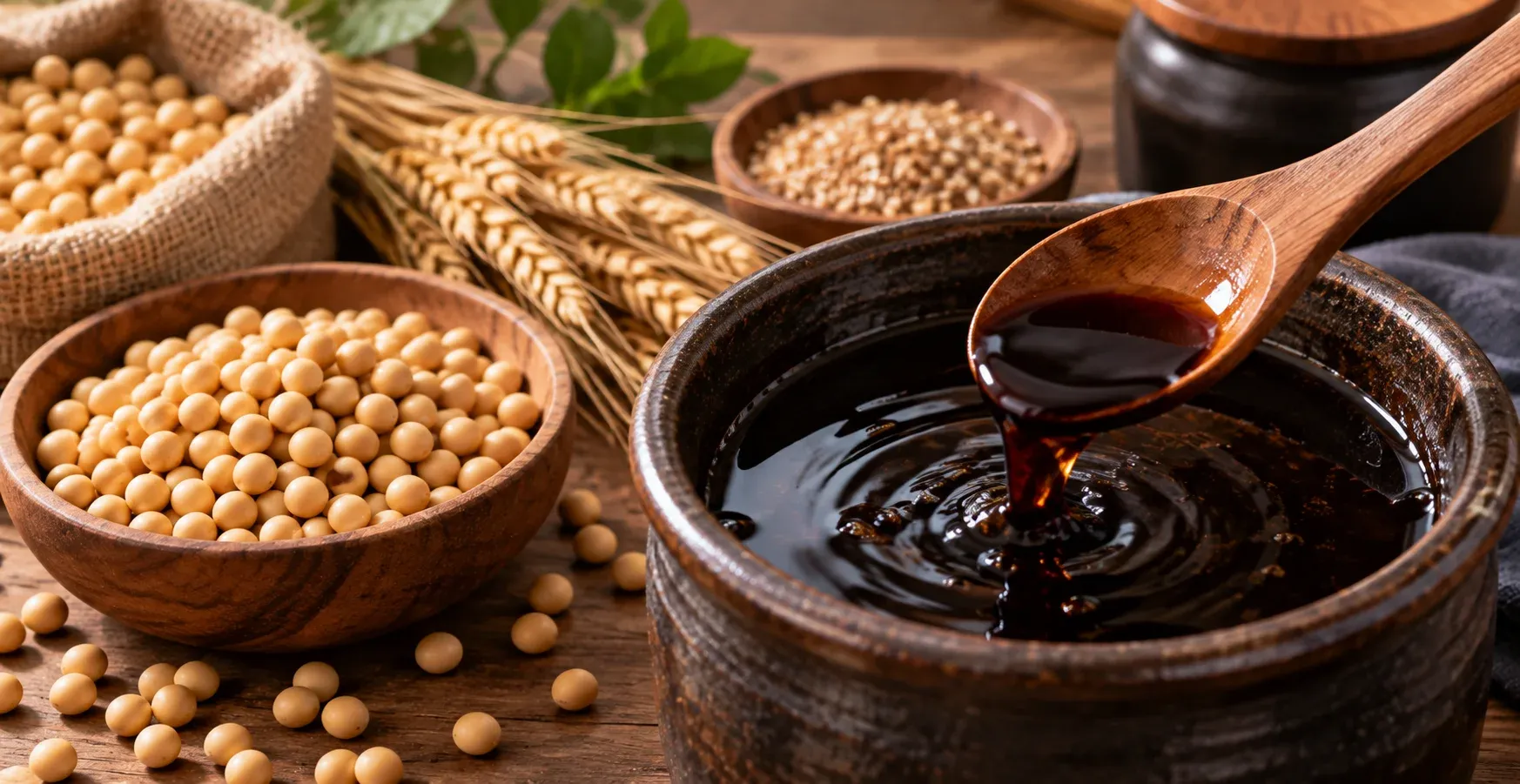
Traditional Japanese shoyu takes months to brew. Manufacturers combine roasted wheat and crushed soybeans, introduce a specific yeast culture, and let the mixture ferment. During fermentation, the wheat starches convert into sugars, and the yeast turns some of those sugars into ethanol. This natural process generates the alcohol that enhances the aroma and preserves the liquid.
Non-Brewed (Chemical) Soy Sauce
Many commercial soy sauces bypass fermentation completely. Factories use acid hydrolysis to break down soy proteins in a matter of days. This method does not involve yeast or fermentation, meaning zero natural alcohol is created. However, some manufacturers will add artificial flavorings or secondary preservatives to mimic the taste of brewed shoyu.
Naturally Occurring vs. Added Alcohol
When assessing whether a condiment is permissible, Islamic scholars draw a sharp line between alcohol that occurs naturally during food production and alcohol added deliberately.
Many recognized bodies, including LPPOM MUI in Indonesia, differentiate based on the source and the intoxicating potential. Ethanol that occurs as a natural byproduct of food fermentation—often found in trace amounts in fruit juices, bread dough, and soy sauce—is treated differently than khamr (intoxicants manufactured for consumption).
Scholars from the Assembly of Muslim Jurists of America (AMJA) state that naturally fermented soy sauce with negligible alcohol content that cannot intoxicate regardless of the quantity consumed is generally permissible. Similarly, SeekersGuidance notes differing opinions but highlights that trace amounts of naturally occurring alcohol do not automatically render a food haram in all schools of thought.
However, if a company actively adds alcohol to the finished product for flavor or preservation, the product immediately falls into the Non-Halal category for the vast majority of scholars. Because labels rarely clarify whether the trace alcohol is natural or added, many products end up classified as Doubtful (mashbooh).
Does Cooking Remove the Alcohol?
A common kitchen myth suggests that boiling soy sauce in a stir fry will evaporate all the alcohol. Food chemistry studies prove otherwise. Cooking can reduce the alcohol content, but it rarely eliminates it completely. Depending on the heat level and cooking time, a noticeable percentage of ethanol remains in the dish.
If your personal standard or your scholar advises avoiding all trace alcohol regardless of origin, you cannot rely on the stove to purify a Doubtful ingredient.
How to Check This With Halal Scanner
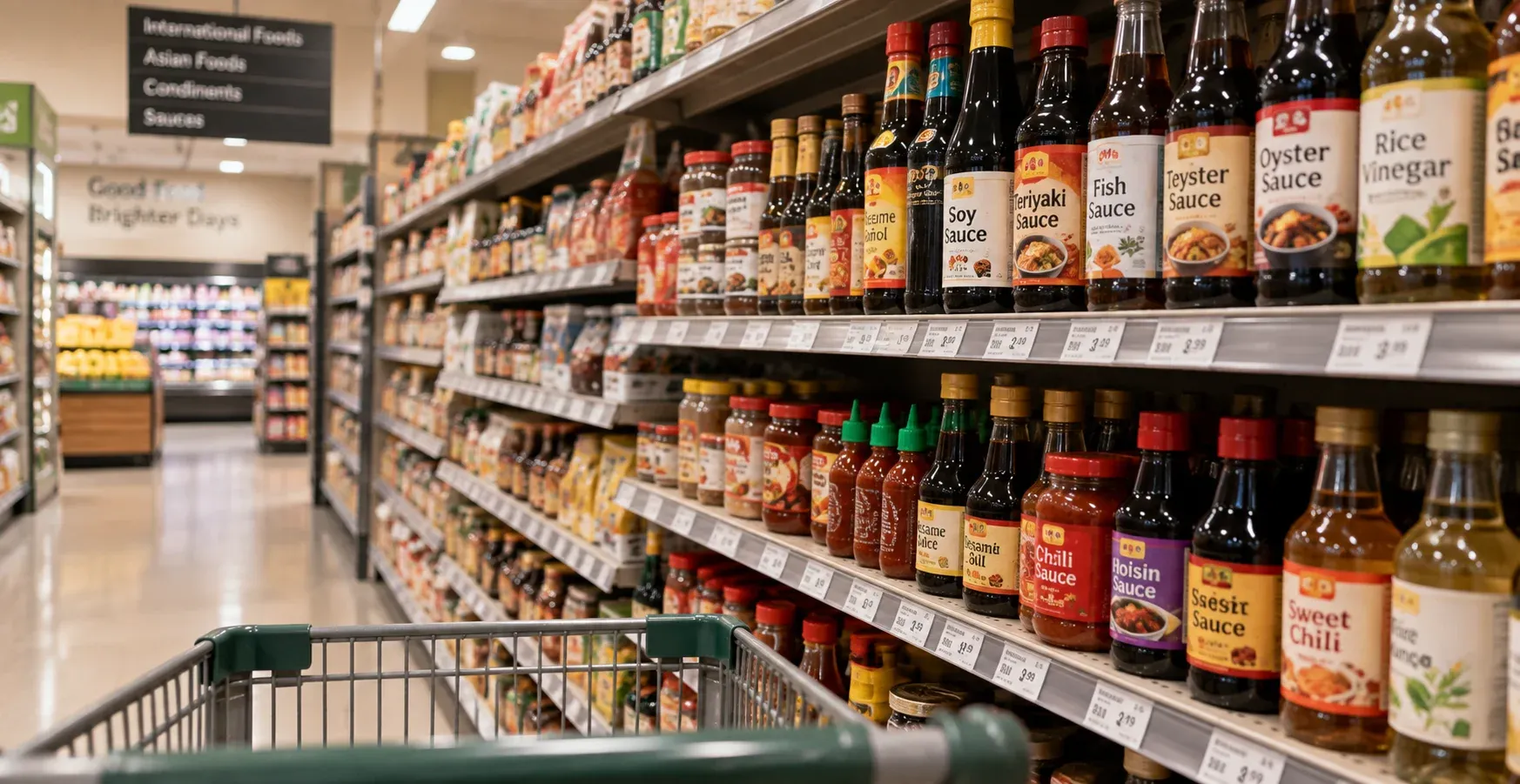
Memorizing production methods for every brand is impossible. Labels change, and formulas vary by country. Instead of guessing on the shelf, you can instantly verify the status of your exact bottle.
- Open the app: Launch Halal Scanner on your phone while shopping.
- Scan the barcode: Point your camera at the barcode on the soy sauce bottle.
- Read the result: The app cross-references the specific product against a verified database and instantly returns a result of Halal, Doubtful, or Non-Halal.
- Save to a shared list: If the sauce is clear, add it to your household list so your family knows exactly which brand to buy next time.
Halal Scanner is free to download with premium features via subscription. You can check your pantry right now. Download it on the App Store or Google Play.
Making Safe Choices Without a Scanner
If you do not have your phone handy, you can still protect your kitchen using a few basic rules.
Look for a trusted certification logo on the bottle. Organizations like JAKIM, IFANCA, or HFA audit the manufacturing process and verify the exact origin of any trace elements. If a recognized halal stamp is present, the product has passed strict compliance checks.
When a halal stamp is missing, you must read the ingredients closely. Here are the most common label terms to watch out for:
Ingredient on Label | Purpose in Soy Sauce | Halal Risk Factor |
|---|---|---|
Hydrolyzed Soy Protein | Speeds up chemical production | Low (Usually no fermentation involved) |
"Natural Flavors" | Trade secret flavor additives | Moderate (Exact source unknown; categorizes as Doubtful) |
Ethanol / Alcohol | Preservative or flavor enhancer | High (Deliberately added; typically Non-Halal) |
Mirin / Wine | Traditional flavoring in some Japanese sauces | High (Intoxicant; strictly Non-Halal) |
Always avoid any bottle that lists alcohol, ethanol, or wine explicitly in the ingredients.
Navigating condiments requires diligence, but you do not have to do it alone. Check your next grocery haul in seconds with Halal Scanner.