

Cooking halal meat requires starting with zabiha-certified cuts and ensuring every added marinade, sauce, and cooking fat is entirely free from non-halal animal byproducts or alcohol. While your local butcher provides certified meat, the condiments and spice blends in your pantry determine the final halal status of your meal.
Preparing a halal dinner means paying as much attention to the label on your soy sauce or beef broth as you do to the meat itself.
Why Halal Cooking Goes Beyond the Butcher?
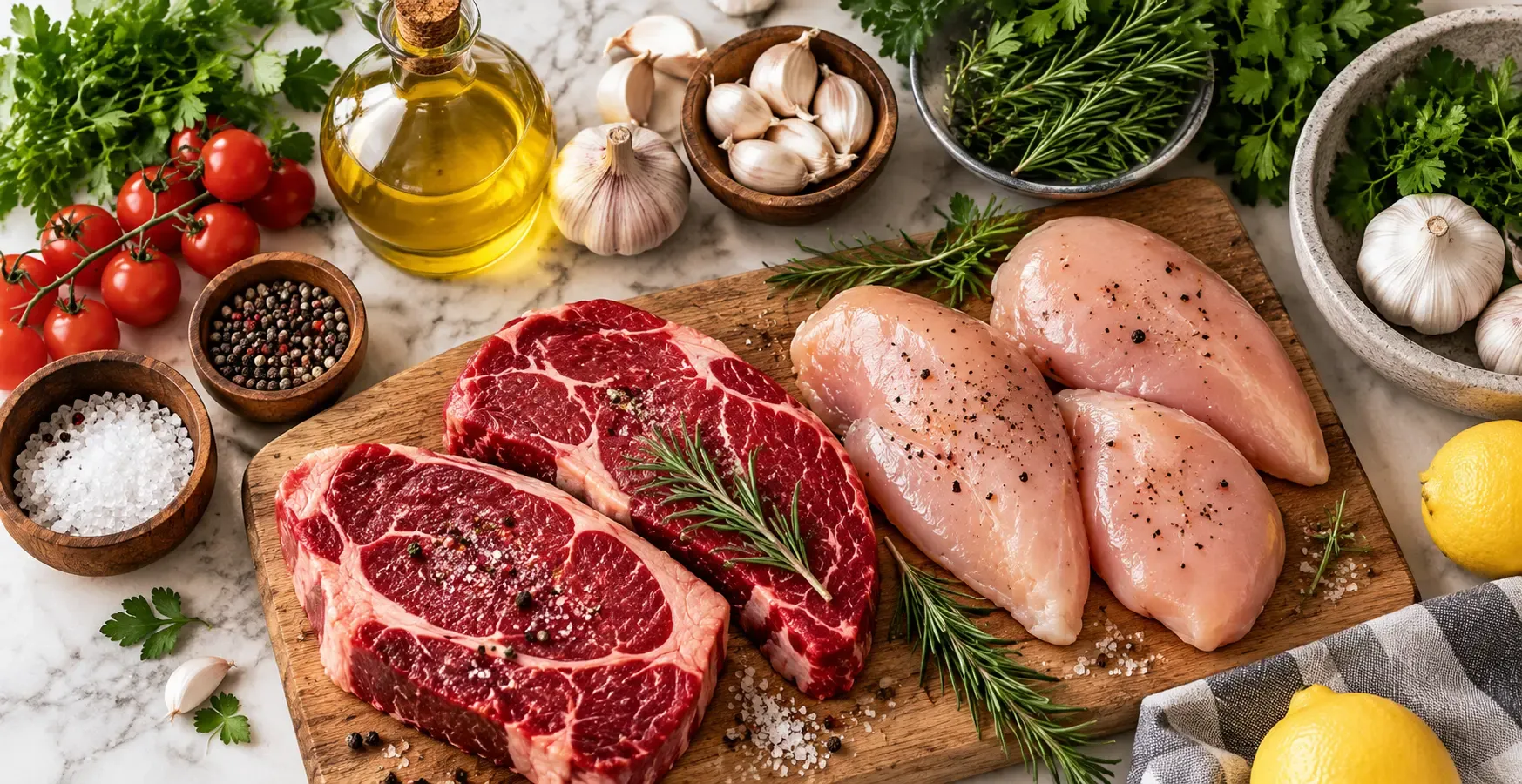
You purchase your chicken, lamb, or beef from a trusted halal butcher. You bring it home to cook. But the moment you add a store-bought marinade, a splash of cooking sauce, or a pre-mixed spice blend, you introduce new variables.
Many commercial cooking liquids and flavorings contain doubtful (mashbooh) ingredients. According to food science databases, elements like L-cysteine (often derived from poultry feathers), animal-based glycerine, or trace amounts of alcohol used as solvent carriers are common in everyday pantry staples. If you use a non-halal sauce on certified zabiha meat, the entire dish becomes impermissible to consume.
To keep your recipes safe, you must evaluate every ingredient that touches the pan.
Common Doubtful Ingredients in Meat Recipes
When preparing halal food, the ingredients list on your sauces and marinades is the primary area of concern. Food manufacturers frequently use additives to extend shelf life or enhance texture.
Here is a quick reference table of ingredients to watch out for when planning your halal dinner ideas:
Ingredient / Additive | Common Use in Cooking | Halal Status & Reasoning |
|---|---|---|
Gravies, thick marinades, sauces | Doubtful: Can be derived from plant fats or animal fats (including pork). Requires verification. | |
Red marinades, barbecue sauces | Doubtful/Non-Halal: Derived from crushed insects. Scholars hold differing views; many certifying bodies classify it as non-halal. | |
Stocks, broths, thickeners | Doubtful: If not explicitly labeled as fish, bovine (halal slaughtered), or vegetarian, it often originates from pork. | |
Wine Vinegar / Cooking Wine | Meat tenderizers, pan deglazers | Non-Halal: Even after cooking, residual alcohol remains. Halal certification bodies reject alcohol used for flavoring. |
Spice blends, bouillon cubes | Doubtful: The exact source is proprietary and may conceal alcohol solvents or animal derivatives. |
Statistic Note: The FDA requires manufacturers to list ingredients, but they are not required to specify the biological origin (plant vs. animal) of additives like E471, making external verification essential.
How to Check Recipe Ingredients With Halal Scanner
Memorizing every E-number and chemical name is impractical when you are trying to get a weeknight dinner on the table. You can use the Halal Scanner app to instantly verify the sauces, broths, and seasonings you plan to use on your meat.
Here is how to secure your recipe:
- Open the App: Have Halal Scanner ready on your phone while sorting through your pantry.
- Scan the Barcode: Point your camera at the barcode of your marinade, soy sauce, or spice mix.
- Review the Classification: The app cross-references the product against a database of over 1 million verified items. It will return a clear result in seconds: Halal, Doubtful, or Non-Halal.
- Handle Doubtful Items: If a sauce returns as “Doubtful” due to an ingredient like E471 without a declared plant origin, the app highlights the exact ingredient causing the issue so you can make an informed choice.
- Create a Recipe List: Use the shared list feature to save verified halal ingredients. You can build a “Safe Marinades” list and share it directly with your spouse or family members for their next grocery run.
You do not have to guess. Halal Scanner is free to download with premium subscription.
Best Practices for Cooking Halal Food at Home
Beyond checking ingredient labels, handling the meat correctly ensures your kitchen remains compliant with Islamic dietary guidelines.
Avoid Cross-Contamination
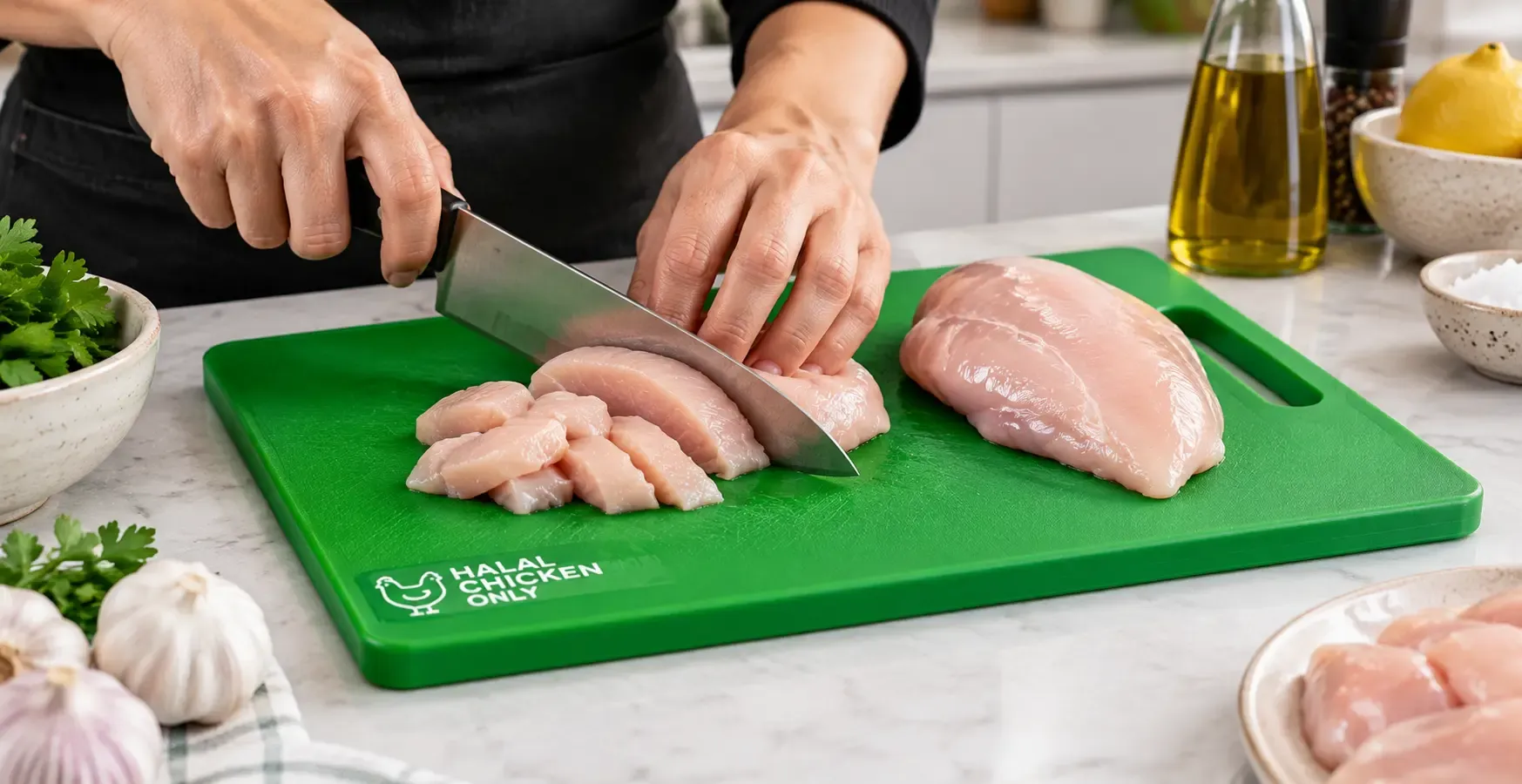
If you share a kitchen with non-Muslim housemates, or if you are preparing food in a mixed environment, keep your cookware strictly separated. Use dedicated cutting boards, knives, and pans for halal meat. Wash your utensils thoroughly with soap and hot water before and after use.
Substitute High-Risk Ingredients
Many popular recipes call for ingredients that are inherently problematic. You can easily adapt these for halal cooking:
- Instead of white wine for deglazing a pan, use halal-certified apple cider vinegar mixed with a little water or white grape juice.
- Swap out standard beef bouillon cubes (which often contain mashbooh animal fats) for certified vegan vegetable broth.
- Replace Worcestershire sauce (which sometimes contains doubtful anchovy sourcing or trace alcohol) with a mix of soy sauce, tamarind paste, and a dash of lemon juice.
Verify Your Local Butcher
Do not assume a shop sells zabiha meat simply because of a sign in the window. Look for up-to-date certificates from recognized authorities like the HFA (Halal Food Authority) or IFANCA on the wall. Ask the butcher directly about their supply chain.
Quick Halal Dinner Ideas
Once your pantry is verified, cooking becomes straightforward. Here are two safe, simple approaches to halal dinners:
1. Sheet Pan Lemon-Herb Chicken
Use zabiha chicken breasts. Create a marinade from scratch using fresh lemon juice, olive oil, minced garlic, and raw herbs (rosemary and thyme). By using whole foods, you eliminate the need to scan complex sauce bottles entirely.
2. Halal Beef Stir-Fry
Slice halal flank steak thinly. For the sauce, use a brand of soy sauce and sesame oil that you have previously run through Halal Scanner to confirm the absence of hidden alcohol solvents. Add fresh ginger, broccoli, and serve over rice.